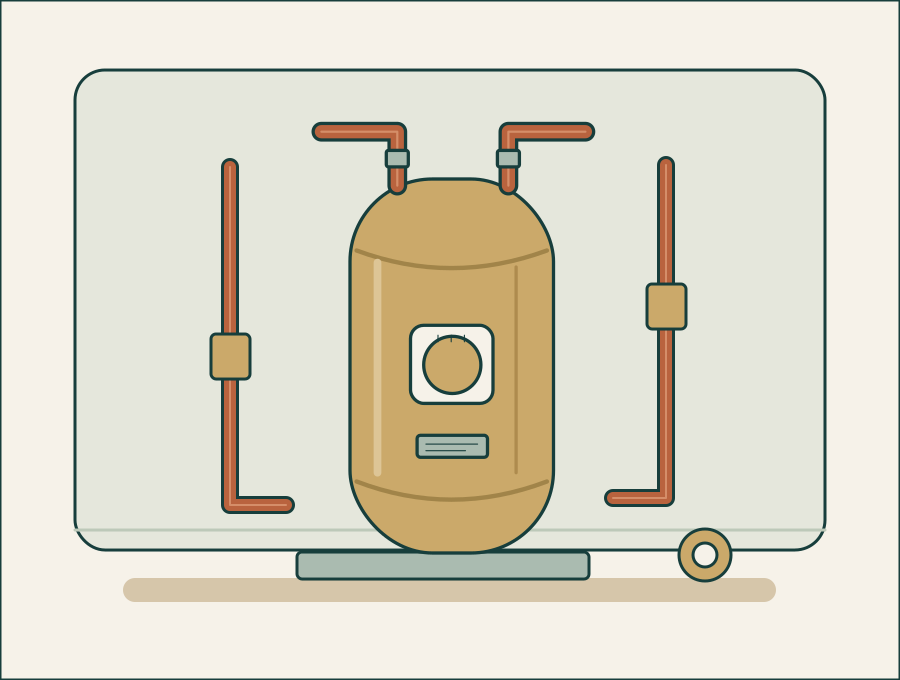
Identify your hot water cylinder system
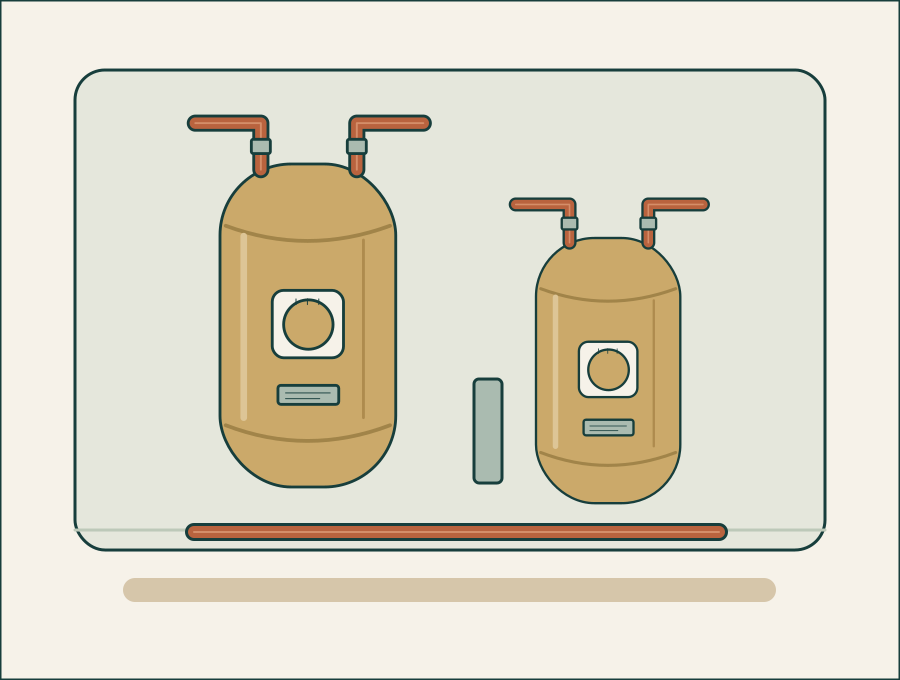
A hot-water cylinder stores heated water for use at taps and showers. Its connected heat source and system arrangement determine which components and replacement equipment are suitable. It is different from a cold-water storage tank. An accessible label or existing installation documents can help identify the system without opening covers or dismantling equipment.
Cylinder replacement or immersion heater work
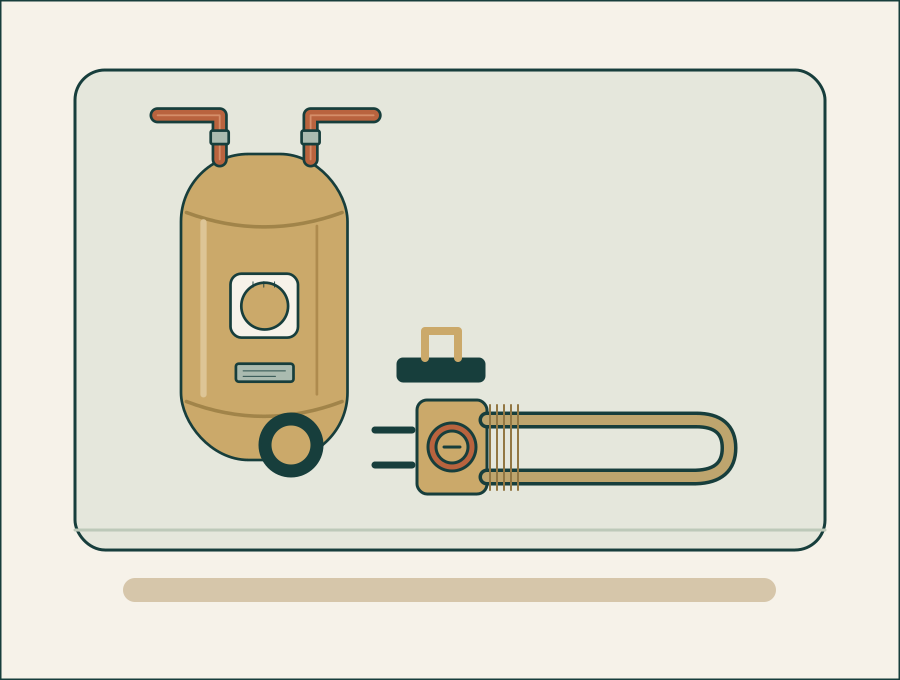
Cylinder Replacement covers changing the storage vessel and connected arrangement. Immersion Heater Replacement covers a heating component where that is the appropriate assessed work. No hot water alone does not establish which component has failed.
System compatibility and installer competence
The type of system affects compatible equipment and the competence needed for work. Ask the provider to confirm suitability and relevant requirements for your arrangement. Do not select a replacement solely because it looks similar or fits the cupboard.
Cylinder access and hot water interruption
Cylinder access, removal routes and interruption to hot water should be considered together. Electrical work and connected controls need defined responsibilities. State the facilities available to occupants during the proposed work.
Details for a hot water cylinder quote
Include equipment details, the observed symptom or reason for replacement and accessible photographs. Ask the quote to distinguish assessment, equipment, installation and any additional work or documentation.
Practical job questions
Your questions, answered.
Is an immersion heater part of the cylinder?
It can be fitted to the cylinder, but it is a separate replaceable heating component. Not every cylinder relies on it as the main heat source.
Does no hot water mean the cylinder has failed?
No. A heating or control fault may leave the cylinder itself serviceable. Tell the assessor whether water is cold, absent or leaking; these are different symptoms.
Is a loft storage tank the same thing?
No. A loft tank may hold cold water feeding other equipment. Identify the actual leaking or faulty vessel rather than using tank and cylinder interchangeably.
Why does the cylinder type matter?
Different cylinder arrangements need different equipment and installer competence. Provide the accessible label before booking so the provider can confirm the work is within scope.