Identify the plumbing fault
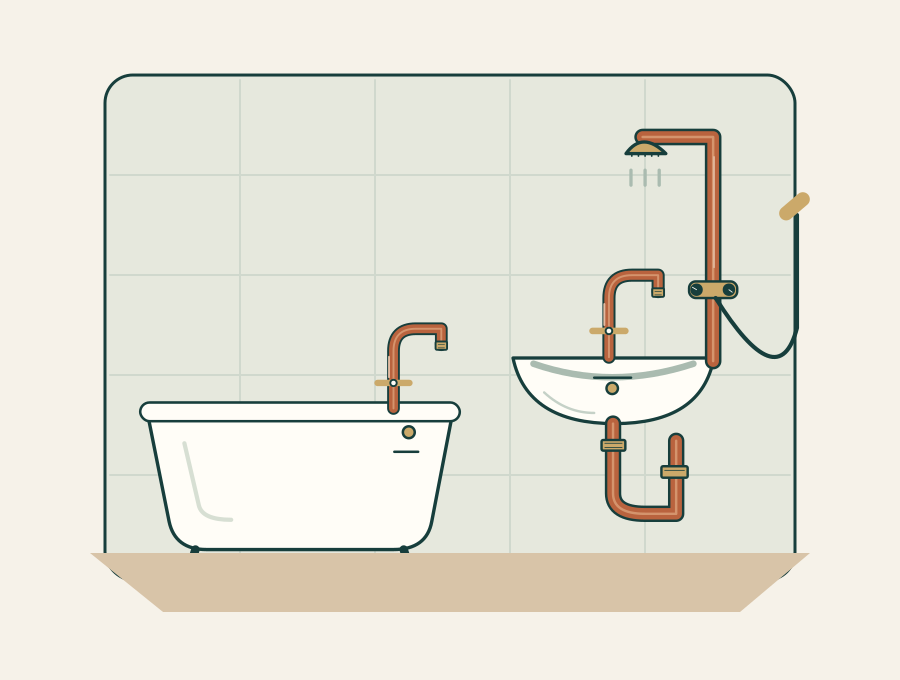
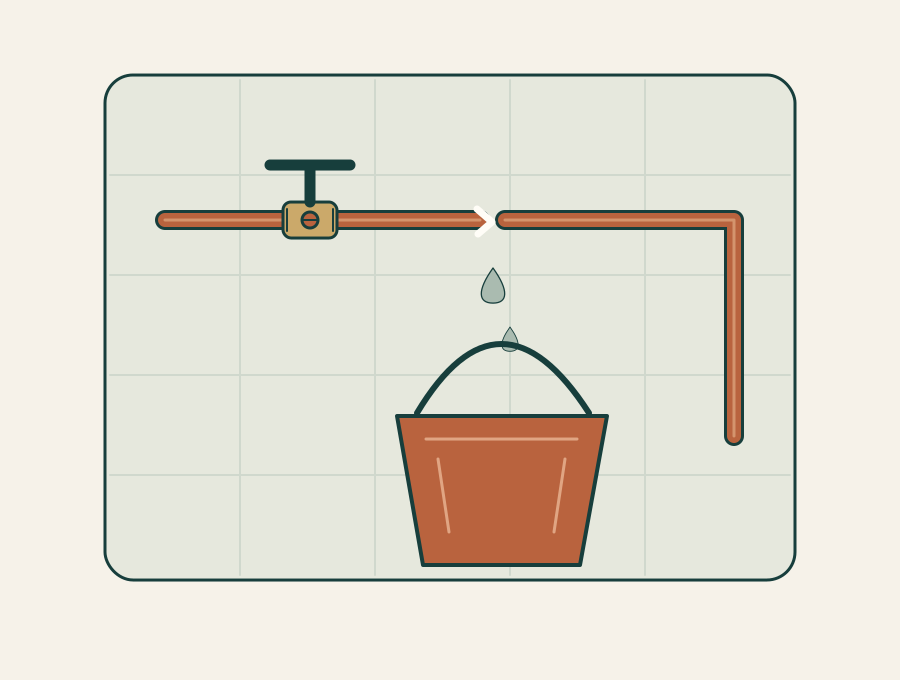
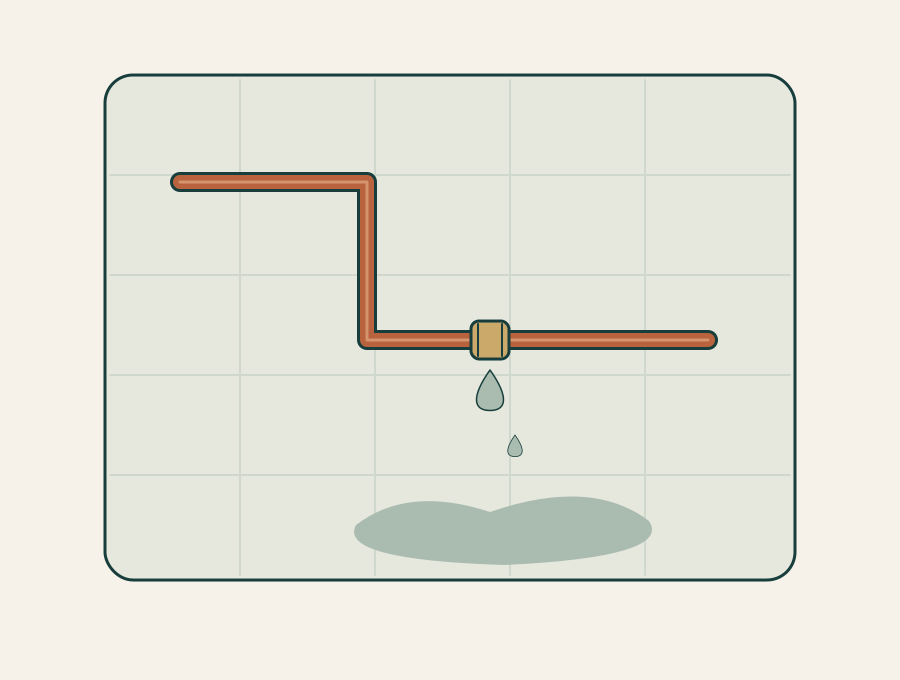
Water escaping from a pipe or joint calls for leak repair; unexplained damp may need leak detection first. A tap, toilet or shower that no longer works properly needs a fitting assessment. Slow sink drainage belongs with waste plumbing. These symptoms identify the starting point, even when the failed part is not yet known.
Pipe, fixture and waste repairs
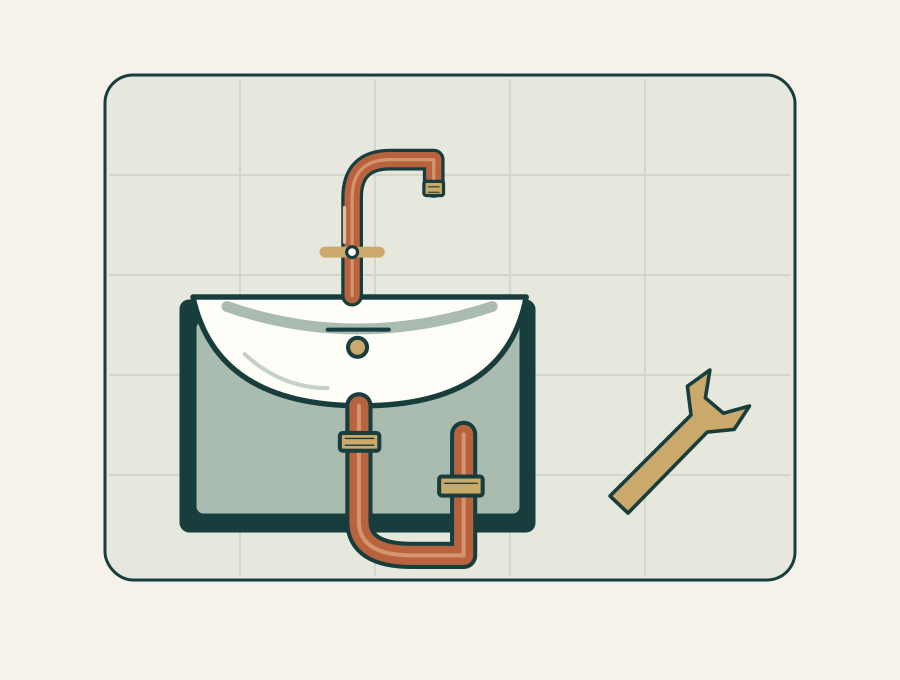
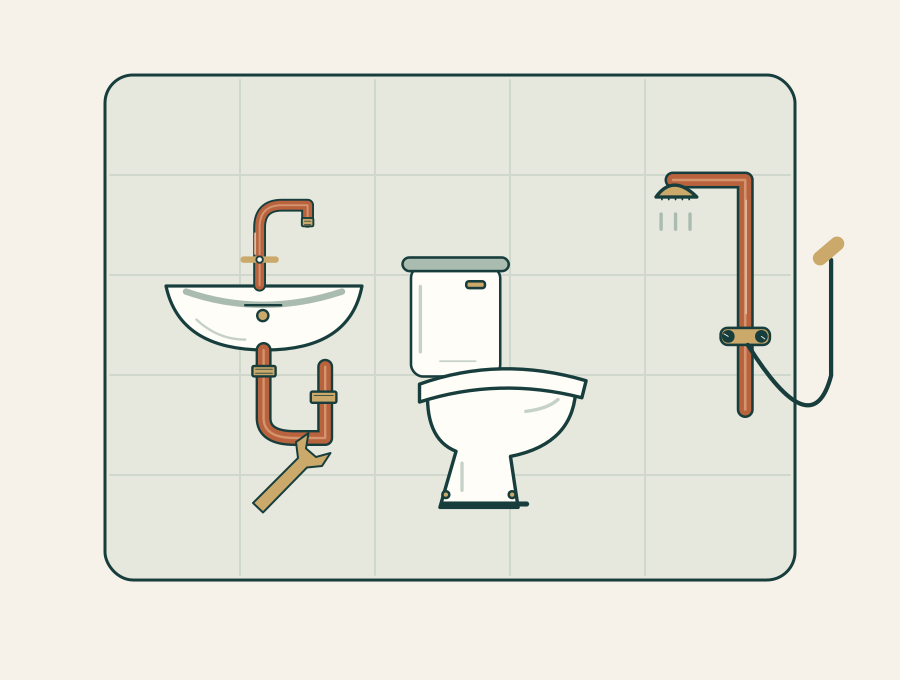
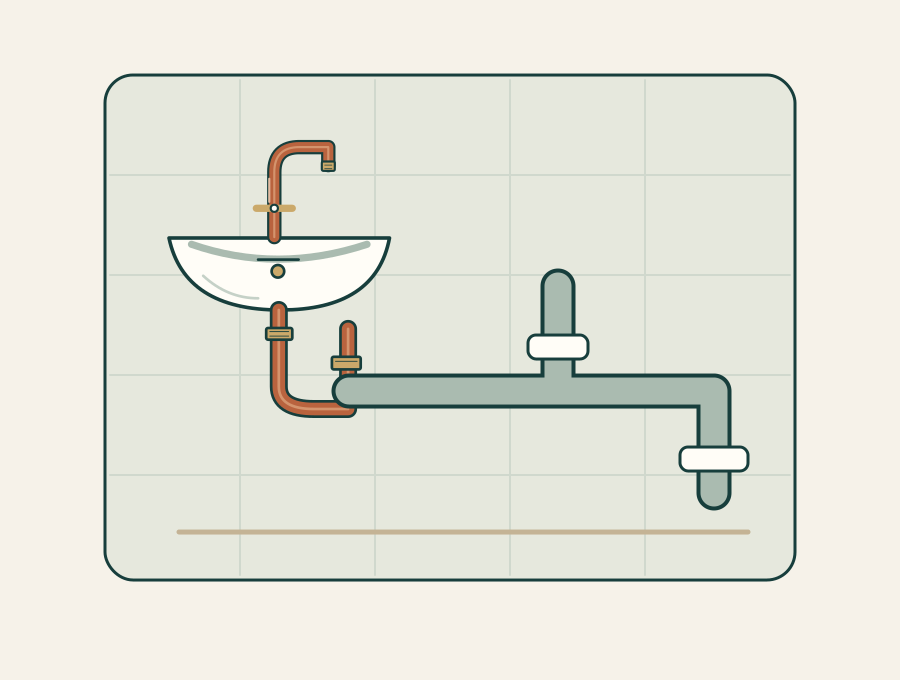
Pipe repairs address damaged supply pipes and joints. Fixture repairs deal with the working parts and connections of taps, toilets and showers. Waste repairs cover local sink blockages and leaking internal traps or waste pipes. A leak beneath a sink can involve either supply or waste plumbing, so its source needs checking before repair.
Repair or replace a damaged fitting
A repair may be appropriate when the fitting is otherwise sound and suitable parts are available. Replacement becomes a separate discussion when damage, obsolete components or repeated faults change the balance. Ask what each option includes rather than assuming an old fitting must go.
What a plumbing repair assessment needs
A repair assessment establishes where the fault is, what caused the symptom and whether the surrounding fitting or pipework remains usable. Accessible connections can be inspected directly; concealed leaks may need a separate investigation. The findings should distinguish a local repair from replacement or additional access work. Fault history and photographs support that assessment but do not replace it.
Prepare your plumbing repair enquiry
Start with the relevant repair guide and prepare a short description of your job. If water is actively escaping or essential facilities are unavailable, use the urgent guidance first and confirm help directly.
Practical job questions
Your questions, answered.
Can the fault be identified from a photograph?
Sometimes, but a photograph cannot confirm hidden damage or how a fitting behaves during use. An initial estimate may change after inspection.
Should I repair or replace an old fitting?
Age alone is not a reason to replace it. Compare the repair with a replacement that includes removal, fitting and any disturbed finishes.
Can several small repairs form one enquiry?
Yes. Number the faults by room so none is missed, and distinguish essential repairs from optional improvements.
What if I cannot find the leak?
Request leak detection rather than guessing which pipe needs replacing. Existing photographs of earlier staining can help show how the problem has developed.